
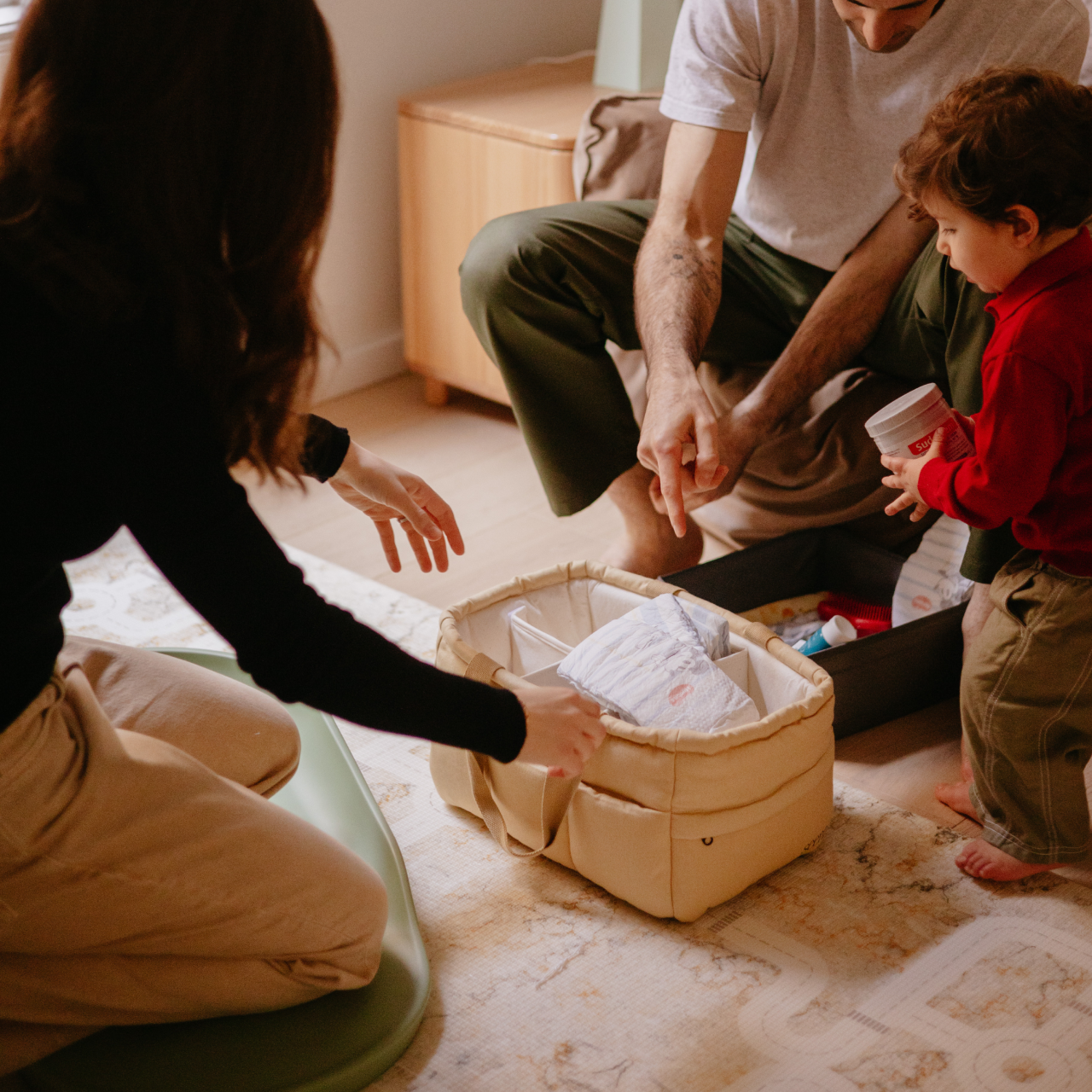
When you’re expecting a baby, you’ll hear about hundreds of items that either you or baby supposedly can’t live without. Some of those items are real game changers, others might not make much of an impact. However, almost every parent will tell you that a well-packed, well-organised nappy caddy can make the difference between a good day and a bad day. And, as a leading provider of baby furniture Australia, at Seena we agree.
Newborns can require 10-12 nappy changes a day, and over the course of their first year earthside, parents will use nearly 3,000 nappies. So, nappies (and everything that goes along with them) are about to be a big part of your life.
If you’re already on the nappy caddy train, you might be wondering: what should I put in my nappy caddy? There are some items that can’t be missed (like nappies, obviously) but there are also some items you might not need every day, but that can be real lifesavers when the situation arises.
In this article, we’ll go over what to put in nappy caddy (or, what to put in a nappy bag), as well as how to keep everything organised and easy to reach for those moments when you haven’t got a spare hand.
Things to put in nappy caddy for everyday:
A nappy caddy is a mobile changing station. For some families, this will look like a small trolley on wheels that can move wherever you are. For others, this might be a bag that can be picked up and carried as needed. This is your central hub for changes, but it can also include snacks, toys, dummies and anything else you need.
As you prepare for the newborn stage, you might be pondering what to put in a nappy bag. The following is a general guideline to baby nappy caddy essentials, although you should feel free to adjust based on you and your baby's needs.
So exactly what do you put in a nappy caddy?
Clothing items:
- Nappies: When asking what to put in a nappy caddy, nappies are a no-brainer. After all, it is a nappy caddy. Keeping plenty on hand can prevent late-night changes from turning into a bigger hassle.
- Extra clothes: Accidents happen, a spare onesie or two means you’re always prepared for blow‑outs or leaks.
Feeding essentials:
- Ready‑to‑feed formula: If baby is bottle‑feeding, having pre-measured formula ready to mix saves time and stress during a change. Pack a small thermos with warm water if that helps with feeding on the go.
- Water bottle: If baby is breastfed (or even if they’re not) you might be experiencing bouts of sudden thirst. There are lots of contenders for things to put in a nappy caddy for baby, but you should also make sure you’re taking care of your needs.
- Burp cloths or small towels: These are handy not just for feeding but for wiping little faces or catching unexpected spills.
- Dummies: If your bub uses them, keep a couple on hand— they can be a lifesaver during or after a change when fussiness hits.
- Snacks for parents: If you end up nap-trapped, you don’t want to be battling hanger.
Hygiene and health items:
- Baby wipes: The fastest and most effective way to clean up baby.
- Nappy rash cream: A small tube of barrier cream helps prevent and soothe irritation, especially after frequent changes.
- Hand sanitiser: Useful for those times when you can’t get straight to the sink.
- Plastic bags or nappy sacks: Keep a stash for disposing of soiled nappies or wipes hygienically, especially if you’re not near a bin.
Optional items:
- Small toy or teething ring: A favourite little distraction can make changes faster and more fun as babies get older and more difficult to keep still.
- Change mat or portable pad: Ideal if your caddy travels from room to room or you’re out and about.
How to organise your nappy bag:
Once you’ve reviewed what to put in my nappy caddy, you might be thinking about how best to arrange it. With so much to pack (and carry), it can make a big difference to stay organised. One of the easiest ways to keep your caddy organised is to choose the right vessel from the start. This will usually mean a sturdy, easy-to-pick-up container with plenty of individual compartments and side pockets. Of course, you should also choose a caddy that is big enough to hold all the essentials without getting so overfull you can’t find anything you need.
If this is your first baby, you’ll quickly learn what system works best for you, but it’s natural to want to be organised from the outset.
Here are some simple tips to keep your caddy organised:
- Keep nappies front and centre where they can be easily grabbed. Smaller, less used items can be stored in the surrounding pockets.
- Keep rubbish and debris in plastic bags so that tidying is easier.
- Don’t forget yourself. Keep your favourite snacks and water handy. Your favourite lolly might just give you the sugar rush you need to get through another night with a newborn.
- Get in the habit of restocking and reorganising during the day. That way, you won’t find you’ve run out of baby wipes in the middle of the night.
How Seena can help:
Seena is family-owned, proudly Australian provider of beautiful, sustainable baby furniture and accessories. We are exceptionally proud of our nappy caddy offering, Migo.
Migo came about after we hit breaking point using Tupperware for our own baby. Our caddy bag was getting dragged, thrown, stepped on in the middle of the night and still needing to hold everything for changes.
The Migo Nappy Caddy ticks all the boxes for an organised central changing station:
- The bottom of both bags is 16oz waxed canvas, which is a heavy, denim-like material
- Plush sides
- YKK zips that won’t break on you
- Soft undyed cotton internals, as pure as we could make it
- Rigid boards used in the sides and base to create structure
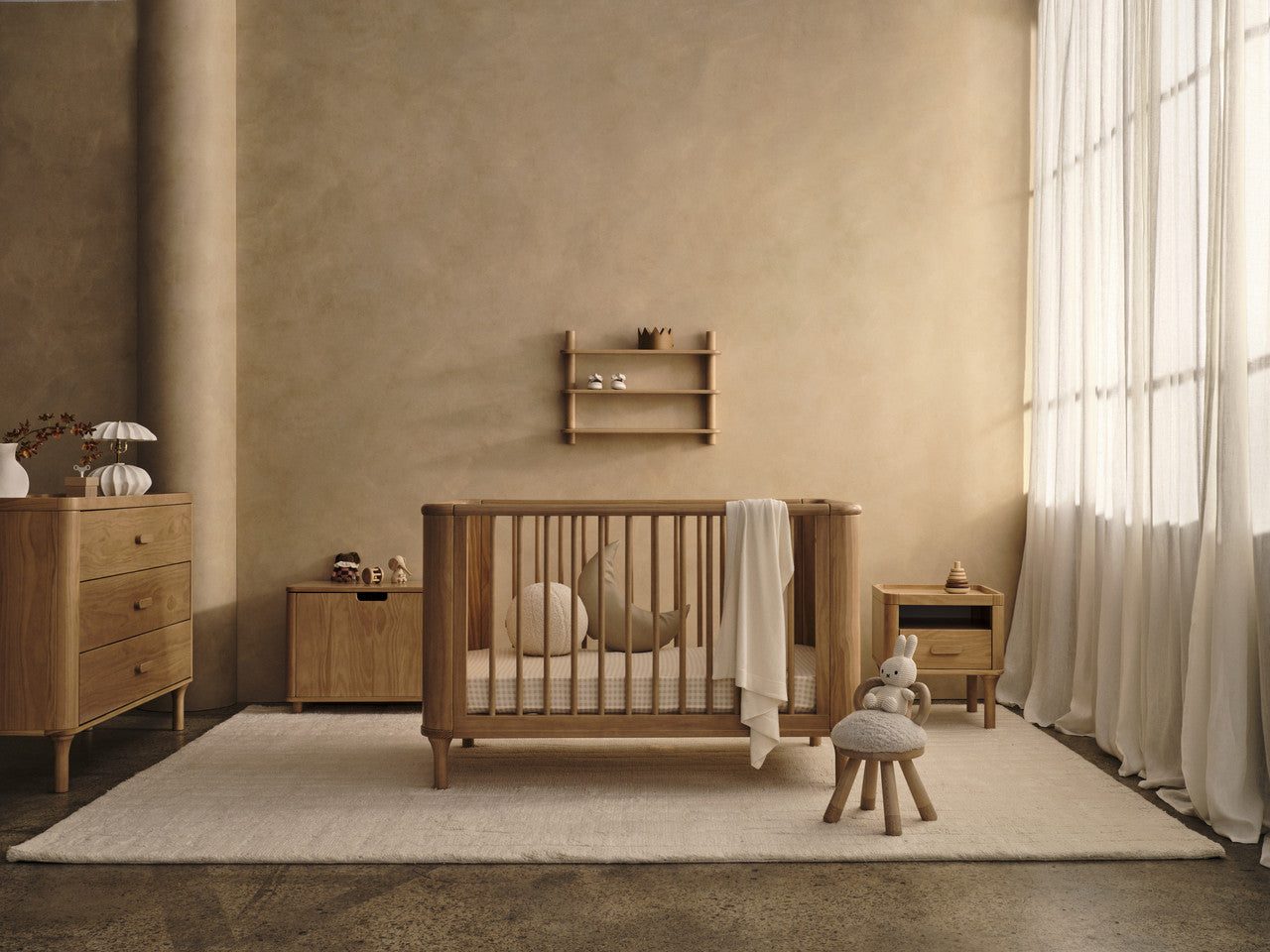
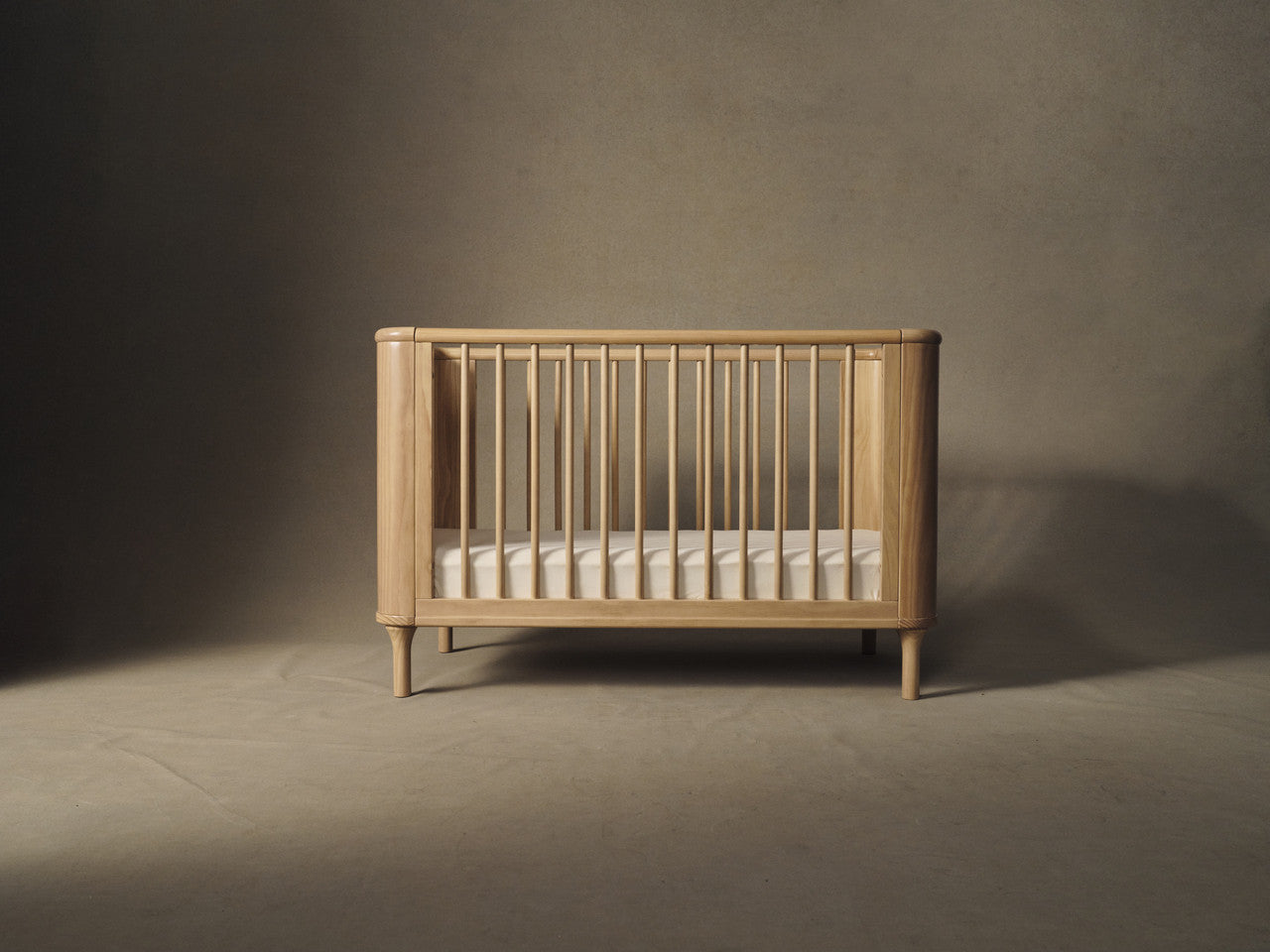
We found Migo to be a lifesaver, and we hope you will too. For more nursery furniture made by our family for your family, shop our range of baby cots, bassinets, and nursery furniture packages.

Share:
When Do Babies Sit Up?